


Digital Inclinometers in the Plastics Industry: Boosting Quality, Efficiency, and Safety
In the fast-paced world of plastics manufacturing, maintaining high product quality, ensuring efficient production processes, and minimizing operational risks are top priorities for companies. One of the key tools that have emerged to address these challenges is the digital inclinometer. These advanced devices provide precise angle measurements that help enhance the quality and efficiency of production while also improving safety. As manufacturers look for ways to stay competitive and meet stringent industry standards, digital inclinometers play a critical role in driving operational improvements. This article dives deep into the applications, benefits, and impact of digital inclinometers in the plastics industry.
Understanding Digital Inclinometers in the Plastics Industry
A digital inclinometer is an instrument designed to measure the tilt or angle of an object with high accuracy. It is equipped with electronic sensors that convert the angular displacement into digital readings, making it easier for operators to monitor and adjust machinery and products in real-time. In the plastics industry, where precision is paramount, these devices provide invaluable insights that help maintain high-quality standards, optimize production processes, and ensure safety compliance.


Key Applications of Digital Inclinometers in Plastics Manufacturing
1. Quality Control
The plastics industry is highly competitive, and companies must consistently produce high-quality products to remain relevant in the market. Digital inclinometers play a vital role in quality control by measuring the angle and tilt of plastic products during various stages of production. By ensuring that products meet specific tolerance levels and adhere to predefined standards, these devices help maintain consistent product quality. Whether it’s measuring the angle of molded plastic parts, ensuring proper alignment during extrusion, or confirming the dimensional accuracy of finished products, digital inclinometers provide precise measurements that prevent defects and deviations from the desired specifications.
By enabling real-time monitoring of these parameters, manufacturers can identify any discrepancies early in the production cycle, leading to fewer defective products and a more efficient production line. This increased precision helps companies maintain their reputation for quality while reducing costly rework or scrap rates.
2. Machine Calibration
Accurate machine calibration is essential to achieving the desired product quality in plastics manufacturing. Without proper calibration, machines may operate outside optimal parameters, resulting in defective products, material waste, and energy inefficiency. Digital inclinometers are indispensable in this process. They assist operators in calibrating machinery by providing precise measurements of tilt and angle, helping to align machinery components accurately.
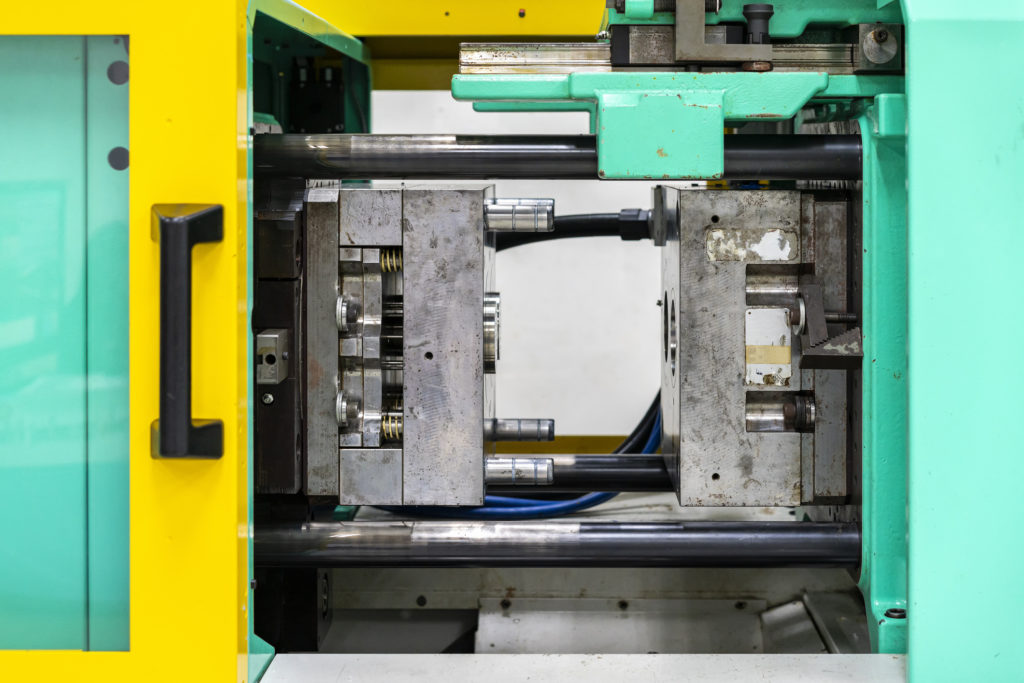
In plastics production, machines such as injection molding machines, extrusion lines, and blow molding machines rely on precise angle measurements to ensure consistent product quality. Digital inclinometers enable operators to adjust the angle of machine parts or molds to the correct position, ensuring optimal performance and minimizing the risk of defects or inconsistencies in the final products.
3. Process Optimization and Analysis
Process optimization is a key factor in improving the overall efficiency of plastics manufacturing. Digital inclinometers are invaluable for process analysis by collecting data on the tilt and angle of machinery and products throughout production. By analyzing this data, manufacturers can gain insights into potential inefficiencies, identify bottlenecks, and detect areas that need improvement.
For example, if a machine component is misaligned or a mold is tilted incorrectly, it could lead to defects in the final product or cause a production delay. With the real-time data provided by digital inclinometers, manufacturers can pinpoint these issues early and make adjustments, ensuring that production runs smoothly and efficiently. Additionally, this data can be used for continuous improvement, helping companies refine their processes over time.
4. Preventing Errors and Defects
Error prevention is one of the main advantages of using digital inclinometers in the plastics industry. By continuously monitoring the tilt and angle of machinery and products, digital inclinometers help prevent errors that could lead to costly defects or failures. Small deviations from the correct angle can result in significant defects, such as misaligned parts, improper molding, or inaccurate dimensions.
Digital inclinometers enable manufacturers to proactively detect and correct these issues before they escalate. This early intervention reduces the likelihood of defects, leading to fewer product recalls and a more efficient production process. As a result, manufacturers can reduce waste, lower production costs, and improve the overall quality of their products.

5. Enhancing Safety in Manufacturing
Safety is always a top priority in manufacturing environments, and the plastics industry is no exception. In some manufacturing processes, improper angles or tilts of machinery can pose safety risks to operators and workers. Digital inclinometers help improve safety by continuously monitoring machine angles and identifying potentially dangerous conditions related to equipment tilt.
For example, if a machine or mold tilts too far during operation, it could cause equipment failure, material spillage, or even accidents that may harm workers. Digital inclinometers can alert operators to these dangerous conditions, allowing them to take corrective action before an accident occurs. By promoting a safer working environment, these tools contribute to the overall well-being of employees and reduce the likelihood of costly downtime due to accidents.
Benefits of Digital Inclinometers in the Plastics Industry
1. Precision and Accuracy
One of the primary advantages of digital inclinometers is their ability to provide highly accurate and precise measurements. In the plastics industry, where even small deviations can lead to product defects, this level of accuracy is essential for maintaining product quality and consistency. With digital inclinometers, manufacturers can rely on precise readings to calibrate machines, monitor production processes, and ensure that products meet the required standards.
2. Improved Efficiency
Digital inclinometers help improve production efficiency by enabling faster adjustments to machinery and processes. By providing real-time data on machine angles, operators can make quick adjustments, reducing downtime and preventing delays. This leads to a more streamlined production process, higher throughput, and reduced waste. In the competitive world of plastics manufacturing, efficiency improvements are essential for increasing profitability and staying ahead of the competition.
3. Cost Reduction
By preventing defects and minimizing waste, digital inclinometers help reduce manufacturing costs. When machines are properly calibrated and aligned, products are produced with greater accuracy and fewer defects. This leads to less rework, fewer material waste, and lower scrap rates. Additionally, by reducing errors and improving efficiency, digital inclinometers help lower overall production costs, making them a valuable investment for manufacturers.
4. Data-Driven Decision Making
The data collected by digital inclinometers can be used to inform decision-making at all levels of the production process. By analyzing the collected data, manufacturers can gain insights into the performance of their machinery, identify potential areas for improvement, and make informed decisions about process optimization. This data-driven approach helps manufacturers make more accurate and effective decisions, leading to continuous improvements in production efficiency and product quality.

Conclusion
The integration of digital inclinometers in the plastics industry provides numerous benefits, including improved quality control, enhanced machine calibration, better process analysis, error prevention, and increased safety. By providing precise measurements and real-time data, digital inclinometers help manufacturers optimize their processes, reduce costs, and produce high-quality products more efficiently. As the plastics industry continues to evolve, these tools will play an increasingly important role in helping manufacturers stay competitive and meet the growing demand for high-quality, cost-effective products. Investing in digital inclinometer technology is an investment in both the future of production efficiency and the long-term success of manufacturing operations.
